San Clemente highlight
"Spanish Village by the Sea" architecture
The city's planned architecture from 1925, featuring cream-colored stucco buildings with red tile roofs and Mediterranean-inspired design throughout downtown and residential neighborhoods.
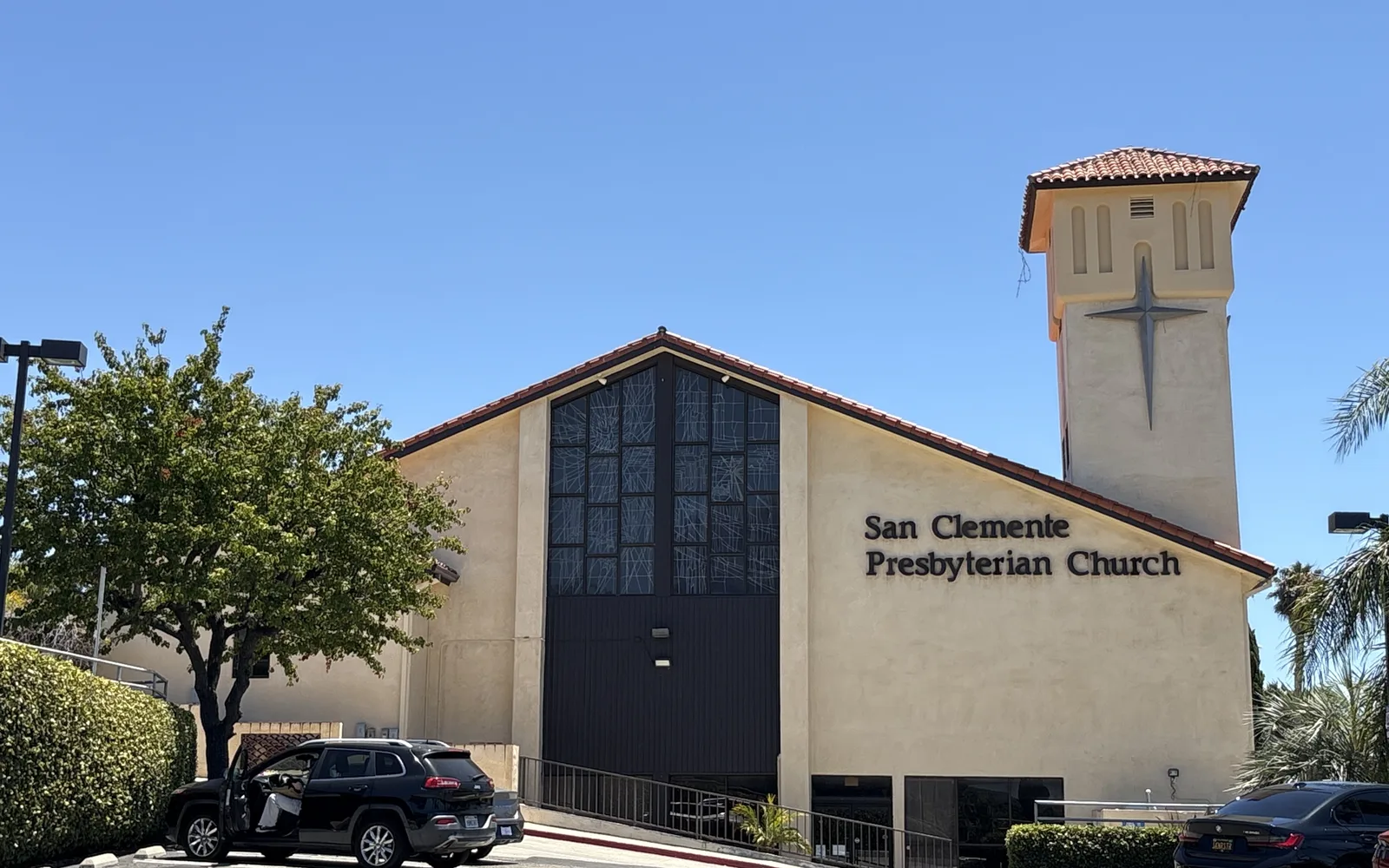
San Clemente was founded in 1925 by Ole Hanson, a former mayor of Seattle, as a master-planned Mediterranean-style coastal community. Hanson envisioned a city built around the concept of a "Spanish Village by the Sea," with Spanish Colonial Revival architecture as the organizing theme. The design specified low-pitched red tile roofs, cream-colored stucco walls, arched arcades, and interior courtyards—details that remain the architectural standard throughout the city today. Hanson's vision was developed as one of the first planned communities in Southern California.
The city was officially incorporated on February 28, 1928, with architecture codes written to preserve Hanson's design intent. Decades later, the codes remain in force, which is why the downtown area and residential neighborhoods still reflect the original Spanish Colonial Revival style. The consistent architecture creates a distinct visual identity: the cream and red color palette, the rooflines, the public plazas and pedestrian walkways. Visitors and residents alike encounter the village design in municipal buildings, commercial corridors, and the residential streets where families have made their homes.
Planning a life insurance policy is a lot like planning a home: both involve choosing the right structure for the people inside and the years ahead. Families in San Clemente often think about what their homes mean to them—a place to raise children, a gathering place for extended family, an investment in the community. Life insurance works the same way: it's sized to cover the years when the household would be most vulnerable, protecting the home and the plans built around it.